
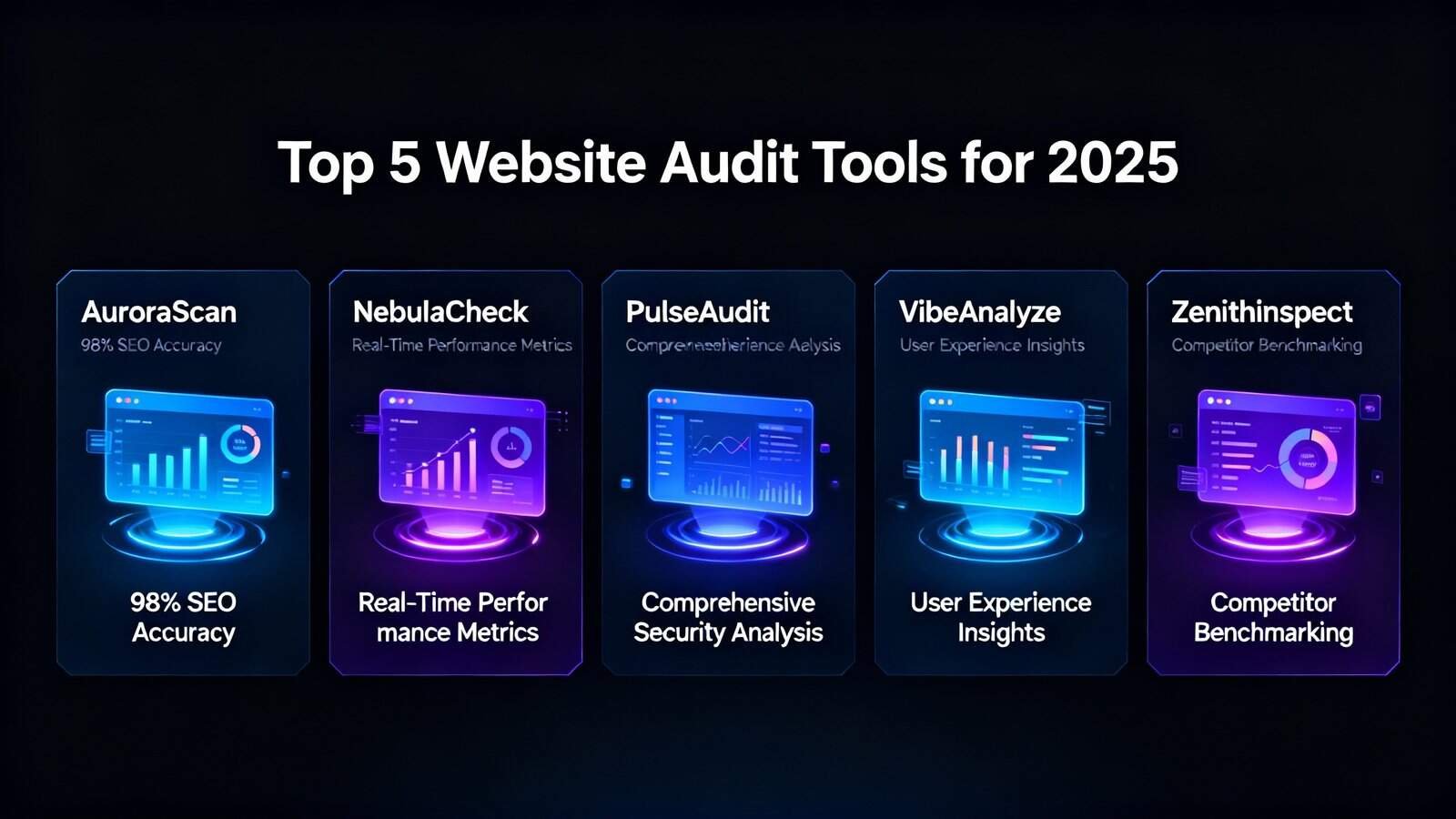
The top website audit tools for 2025 are Screaming Frog SEO Spider for technical crawling with free 500-URL limits, SEMRUSH Site Audit offering 130+ automated checks plus competitive intelligence, Ahrefs Site Audit excelling in internal linking analysis and orphaned page detection, Google PageSpeed Insights providing definitive Core Web essentials assessment, and Sitebulb delivering visual architecture mapping with interactive diagrams. Each tool targets specific optimization areas that’ll transform your site’s performance metrics and search visibility.
Key Takeaways
- Screaming Frog SEO Spider offers comprehensive technical crawling with free 500 URL limit and unlimited paid version capabilities.
- SEMRUSH Site Audit provides 130+ automated checks covering technical SEO, content analysis, and competitor benchmarking features.
- Ahrefs Site Audit excels in advanced internal linking analysis and integration with extensive backlink database insights.
- Google PageSpeed Insights delivers authoritative Core Web Vitals assessment with Chrome User Experience Report data.
- Sitebulb creates visual website architecture mapping with interactive diagrams highlighting technical and UX issues effectively.
Screaming Frog SEO Spider: The Technical Crawling Powerhouse
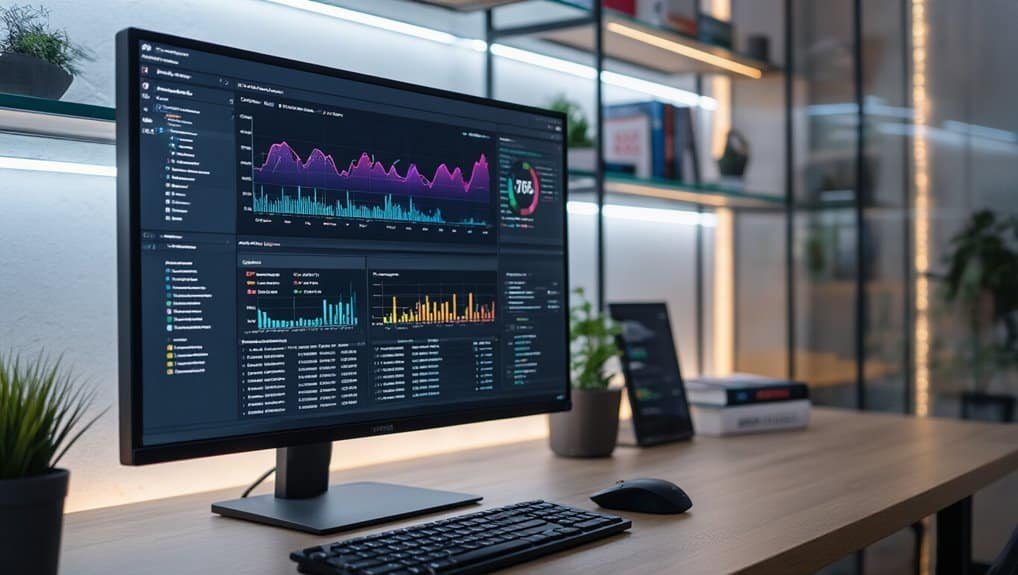
Screaming Frog SEO Spider transforms how you analyze website architecture by crawling up to 500 URLs for free and unlimited URLs with the paid version. You’ll discover broken links, redirect chains, and duplicate content within minutes through its thorough site mapping capabilities.
The tool’s crawl depth configuration lets you control how deep you penetrate your site’s structure, preventing unnecessary resource consumption while targeting specific sections. You can set custom extraction rules to pull meta descriptions, headings, and schema markup data directly into exportable spreadsheets.
Advanced filtering options help you isolate technical issues by status codes, response times, and page types. The JavaScript rendering feature makes certain you’re auditing modern single-page applications accurately. Integration with Google Analytics and Search Console provides traffic correlation data alongside technical metrics.
You’ll appreciate the real-time crawling visualization and ability to schedule automated audits for continuous monitoring of site health and performance metrics.
SEMRUSH Site Audit: Comprehensive Analysis With Competitive Intelligence
While Screaming Frog excels at technical crawling, SEMRUSH Site Audit delivers a broader strategic perspective by combining technical analysis with competitive intelligence and search performance data.
You’ll get 130+ automated checks covering technical SEO, content optimization, and user experience issues. The platform identifies keyword cannibalization across your pages and provides actionable recommendations with priority scoring.
| Audit Category | Issues Detected | Competitive Feature |
|---|---|---|
| Technical SEO | Crawl errors, broken links, redirect chains | Domain comparison metrics |
| Content Quality | Duplicate content, thin pages, keyword cannibalization | Content gap analysis |
| Performance | Page speed, Core Web Vitals, mobile usability | Competitor speed benchmarks |
| Internal Linking | Orphaned pages, excessive links, anchor text | Link structure comparison |
| HTTPS & Security | SSL issues, mixed content, security headers | Security benchmark scoring |
The competitive benchmarking feature sets SEMRUSH apart, allowing you to compare your site’s health against competitors and identify optimization opportunities based on industry standards.
Ahrefs Site Audit: Deep Link Analysis and Technical SEO Mastery
Although many tools claim exhaustive site auditing capabilities, Ahrefs Site Audit distinguishes itself through sophisticated link analysis algorithms and granular technical SEO diagnostics that reveal issues other platforms miss. You’ll access advanced internal linking analysis that maps your site’s link equity distribution, identifying orphaned pages and weak link structures that dilute ranking potential.
The tool’s technical crawling engine detects critical issues like broken redirects, duplicate content variations, and JavaScript rendering problems with exceptional precision. You can analyze over 130 predefined SEO factors while monitoring backlink quality changes that impact your domain authority.


Ahrefs delivers actionable insights through its Issues report, categorizing problems by severity with specific recommendations. You’ll appreciate the tool’s ability to track technical improvements over time, measuring how fixes influence organic performance. The platform’s integration with Ahrefs’ massive link database provides context other audit tools can’t match.
Google PageSpeed Insights: Core Web Vitals and Performance Optimization

When measuring website performance becomes critical for search rankings, Google PageSpeed Insights emerges as the definitive authority for Core Web essentials assessment and speed optimization strategies.
Google PageSpeed Insights stands as the ultimate benchmark for evaluating Core Web Vitals and implementing strategic performance enhancements.
You’ll access real-world field data through Chrome User Experience Report alongside lab-based metrics for thorough performance analysis. The tool delivers precise CWV diagnostics across Largest Contentful Paint, First Input Delay, and Cumulative Layout Shift measurements.
PageSpeed Insights provides actionable optimization recommendations with quantified impact estimates, enabling data-driven performance improvements. You can identify resource-blocking issues, oversized images, and JavaScript execution delays that compromise user experience.
The platform supports performance budgeting by establishing baseline metrics and tracking improvements over time. You’ll receive mobile and desktop performance scores with specific technical suggestions for reducing Time to Interactive and enhancing Core Web Vitals compliance.
Integration with Lighthouse ensures consistent performance monitoring across development workflows, making it indispensable for technical SEO optimization.
Sitebulb: Visual Website Architecture and User Experience Focus
Sitebulb breaks down complex website architecture into intuitive visual representations that reveal critical UX bottlenecks and structural inefficiencies across your entire site. You’ll access exhaustive visual mapping that displays crawl paths, internal linking structures, and content hierarchies through interactive diagrams.
The tool’s visual mapping capabilities transform technical audit data into actionable insights. You can identify orphaned pages, broken user flows, and navigation dead-ends through color-coded visualizations. Sitebulb‘s crawl visualization shows exactly how search engines and users navigate your site, highlighting areas where user flows break down.
You’ll leverage advanced filtering options to isolate specific issues like redirect chains, missing meta descriptions, or duplicate content clusters. The platform generates detailed reports with visual elements that make complex technical problems accessible to non-technical stakeholders.
Sitebulb’s strength lies in connecting technical SEO data with user experience insights, enabling you to prioritize fixes based on both search engine requirements and user journey optimization.

Frequently Asked Questions
How Often Should I Run a Website Audit for Optimal Results?
You’ll achieve peak results running thorough website audits monthly cadence for critical performance metrics like Core Web Vitals, broken links, and security vulnerabilities.
Implement a seasonal review quarterly using tools like Screaming Frog, SEMrush, or Ahrefs for deeper technical analysis including crawl errors, schema markup validation, and content gaps.
This dual-frequency approach guarantees you’re catching issues early while maintaining full oversight of your site’s technical health and SEO performance.
What’s the Average Cost of Professional Website Audit Tools Annually?
You’ll spend $200-$2,000 annually for professional website audit tools, depending on your requirements.
Basic subscription tiers start around $200-$500 for small sites, while mid-tier plans cost $500-$1,200 annually.
Enterprise plans range from $1,200-$2,000+ yearly, offering advanced crawling capabilities, unlimited site monitoring, and all-encompassing reporting features.
Tools like Screaming Frog, SEMrush, and Ahrefs follow this pricing structure across their subscription tiers.
Can Website Audit Tools Automatically Fix Issues They Discover?
Most website audit tools can’t automatically fix issues they discover, but you’ll find automated remediation capabilities in advanced platforms like Screaming Frog’s SEO Spider and DeepCrawl.
These tools offer limited AI fixes for basic problems like meta tag optimization and broken link redirects. However, you’ll still need manual intervention for complex technical issues, content problems, and structural changes that require human judgment and strategic decision-making.
Do I Need Technical Expertise to Interpret Website Audit Reports?
You’ll need moderate technical knowledge to interpret most audit reports effectively.
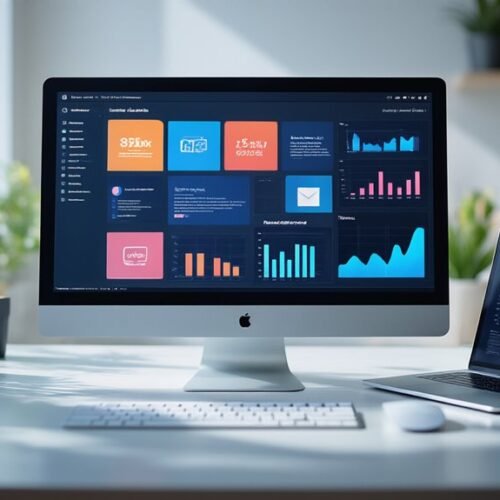
While modern tools excel at reading dashboards with intuitive visualizations and color-coded severity levels, understanding technical recommendations like Core Web essentials metrics, crawl errors, and schema markup requires expertise.
If you’re struggling with complex technical findings, consultant hiring becomes valuable for translating audit data into actionable optimization strategies that align with your specific business objectives.
Which Audit Tools Work Best for E-Commerce Websites Specifically?
You’ll need specialized tools like Screaming Frog for thorough inventory indexing and product schema validation, SEMrush for checkout analytics tracking, and Google’s Rich Results Test for structured data verification.
Combine these with Hotjar for A/B testing insights on product pages and conversion funnels.
DeepCrawl excels at large-scale e-commerce site audits, while GTmetrix provides essential page speed metrics for product galleries and checkout processes.
Conclusion
You’ve now got five powerful audit tools that’ll transform your website’s performance in 2025. Screaming Frog‘s crawling capabilities, SEMrush‘s competitive insights, Ahrefs‘ link analysis depth, Google’s Core Web Vitals data, and Sitebulb’s visual architecture mapping each serve distinct technical purposes. You’ll want to combine multiple tools for thorough coverage—use Screaming Frog for technical crawls, Ahrefs for backlink audits, and Google PageSpeed for performance metrics. Your audit strategy should leverage each tool’s specific strengths for maximum optimization impact.
Table of Contents
- 1 Key Takeaways
- 2 Screaming Frog SEO Spider: The Technical Crawling Powerhouse
- 3 SEMRUSH Site Audit: Comprehensive Analysis With Competitive Intelligence
- 4 Ahrefs Site Audit: Deep Link Analysis and Technical SEO Mastery
- 5 Google PageSpeed Insights: Core Web Vitals and Performance Optimization
- 6 Sitebulb: Visual Website Architecture and User Experience Focus
- 7 Frequently Asked Questions
- 7.1 How Often Should I Run a Website Audit for Optimal Results?
- 7.2 What’s the Average Cost of Professional Website Audit Tools Annually?
- 7.3 Can Website Audit Tools Automatically Fix Issues They Discover?
- 7.4 Do I Need Technical Expertise to Interpret Website Audit Reports?
- 7.5 Which Audit Tools Work Best for E-Commerce Websites Specifically?
- 8 Conclusion






No Comments